
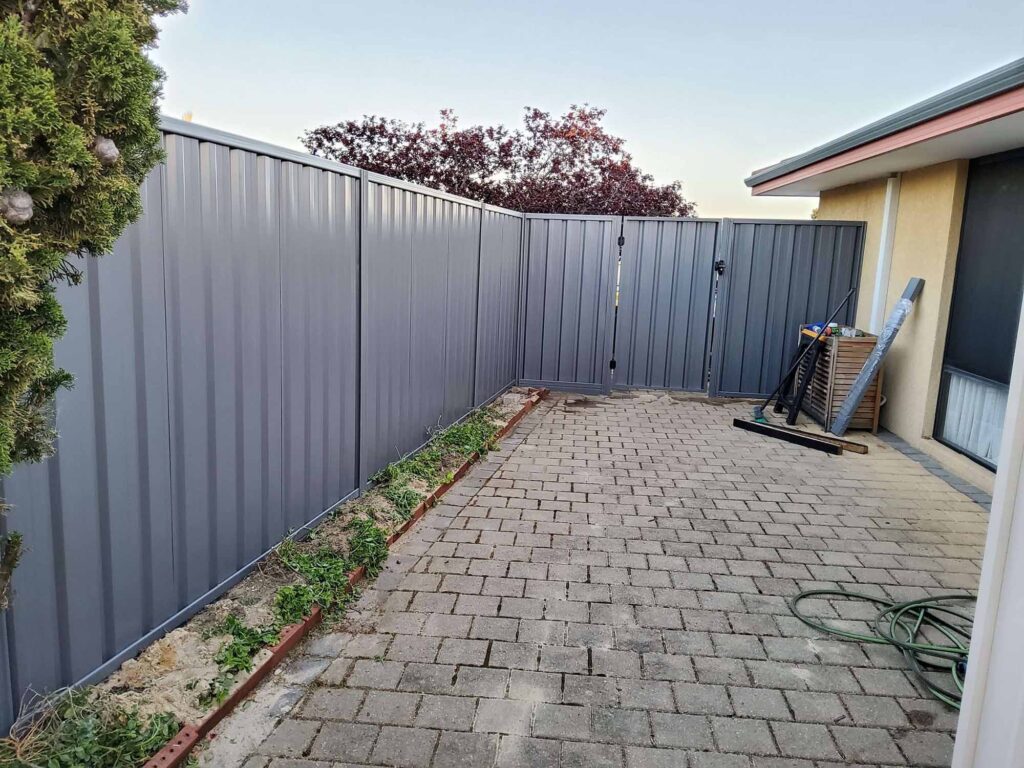
Choosing the right fence for your home can be a challenge. With so many options available, from wood and vinyl to metal and composite materials, it’s important to consider what best suits your needs and style. Whether you’re looking to boost privacy, enhance security, or simply add aesthetic value, this guide will help you make an informed decision about which fence is right for your home.
1. Privacy and Security Considerations
One of the primary reasons homeowners install fences is to increase privacy and security. If these are your main concerns, certain types of fences may be more suitable than others. For instance, tall wooden fences or vinyl panels provide excellent privacy by blocking the view into your yard. Metal options like wrought iron can offer security with a more decorative look, although they may not offer the same level of privacy. The key is to strike the right balance between safety and visibility, depending on your priorities.
2. Enhancing Curb Appeal
A fence can be much more than a practical addition to your property; it can also enhance the overall look of your home. When selecting a fence, consider how it complements the design and architecture of your house. For example, a classic picket fence can give a home a charming, traditional look, while sleek metal or composite fences can lend a modern, minimalist appeal. The right fence can serve as a stylish frame for your yard, boosting your home’s curb appeal and making a great first impression on visitors.
3. Durability and Maintenance
It’s essential to think about how much maintenance you’re willing to invest in your fence over time. Wooden fences, while beautiful and natural, require regular upkeep to prevent rot and weather damage. They need to be treated, stained, or painted every few years to maintain their appearance and strength. On the other hand, materials like vinyl or metal are much more low-maintenance, requiring only occasional cleaning. Metal fences, such as aluminum or wrought iron, are highly durable and long-lasting, though they may be more costly upfront. Understanding the long-term upkeep of each material can help you choose a fence that fits your lifestyle and budget.
4. Budget-Friendly Options
Fencing can vary greatly in price, so it’s important to choose an option that fits within your budget without compromising on quality. Wooden fences are often more affordable in terms of initial cost but can become expensive over time due to maintenance. Vinyl and composite fences, while more expensive upfront, can save you money in the long run with their durability and minimal upkeep. Chain-link fences are the most budget-friendly option for those primarily concerned with security and function, although they may not provide the aesthetic appeal of other materials.
5. Local Regulations and Neighborhood Aesthetics
Before making a final decision, it’s important to check local regulations regarding fencing. Many communities have rules about the height, material, and placement of fences. Additionally, if you live in a neighborhood with a homeowner’s association (HOA), you’ll want to ensure your fence design meets their guidelines. You might also want to consider the overall look of your neighborhood—choosing a fence that complements the surrounding properties can help maintain harmony and keep property values high.
With the right fence, you can boost your home’s security, privacy, and curb appeal, all while staying within your budget. Whether you’re going for a traditional wooden fence or a modern vinyl option, consulting with a professional handyman can ensure that your fence is installed correctly and suited to your unique needs.